Ground Ivy: The Versatile Ground Cover Plant
Ground ivy, also known as creeping Charlie or gill-over-the-ground, is a low-growing, evergreen perennial plant that is native to Europe and Asia. It has been introduced to North America and other parts of the world, where it is now considered an invasive species in some areas.
Despite its invasive nature, ground ivy is a versatile and attractive ground cover plant that can be used in a variety of settings. It is tolerant of shade and poor soil conditions, and it can be used to fill in bare spots under trees or shrubs, or to create a border along walkways or patios. Ground ivy is also deer-resistant and drought-tolerant, making it a good choice for low-maintenance gardens.
Main Content
Growing Ground Ivy
Ground ivy is easy to grow from seed or cuttings. Seeds can be sown directly in the garden in the spring or fall. Ground ivy will also self-seed, so if you don't want it to spread too much, you may want to control its growth by cutting it back regularly.
Ground ivy prefers moist, well-drained soil. It can tolerate shade, but it will produce more flowers if it is grown in full sun. Ground ivy is not a heavy feeder, but it may benefit from a light application of fertilizer in the spring.
Caring for Ground Ivy
Ground ivy is a low-maintenance plant. Once it is established, it requires little watering or fertilizing. You may need to cut it back occasionally to control its growth.
Ground ivy is susceptible to a few pests and diseases, including aphids, slugs, and powdery mildew. If you notice any problems, you can treat them with insecticidal soap or fungicide.
Using Ground Ivy in the Garden
Ground ivy can be used in a variety of ways in the garden. It is a good choice for filling in bare spots under trees or shrubs, or for creating a border along walkways or patios. Ground ivy can also be used to create a ground cover in shady areas, or to add a touch of color to a rock garden.
Ground ivy is deer-resistant and drought-tolerant, making it a good choice for low-maintenance gardens. It is also edible, and the leaves can be used in salads or as a garnish.
Propagation of Ground Ivy
Ground ivy can be propagated from seed, cuttings, or division. Seedlings can be transplanted into the garden in the spring or fall. Cuttings can be taken in the spring or summer and rooted in a pot of moist potting mix. Division can be done in the spring or fall by carefully digging up a mature plant and separating the roots into smaller clumps.
Conclusion
Ground ivy is a versatile and attractive ground cover plant that can be used in a variety of settings. It is easy to grow and care for, and it is deer-resistant and drought-tolerant. If you are looking for a low-maintenance plant to add some color and interest to your garden, ground ivy is a good option to consider.
Ground ivy, also known as creeping charlie, is a common garden weed that can be found in many parts of the world. It is a low-growing plant with heart-shaped leaves and blue or purple flowers. Ground ivy is considered to be an invasive species in some areas, as it can quickly spread and crowd out native plants. However, it also has some medicinal and culinary uses.
If you are interested in learning more about ground ivy, I recommend visiting Garden Wiki. This website provides a wealth of information about the plant, including its history, uses, and how to control it. You can also find photos and illustrations of ground ivy, as well as links to other resources.
FAQ of ground ivy
- What is ground ivy?
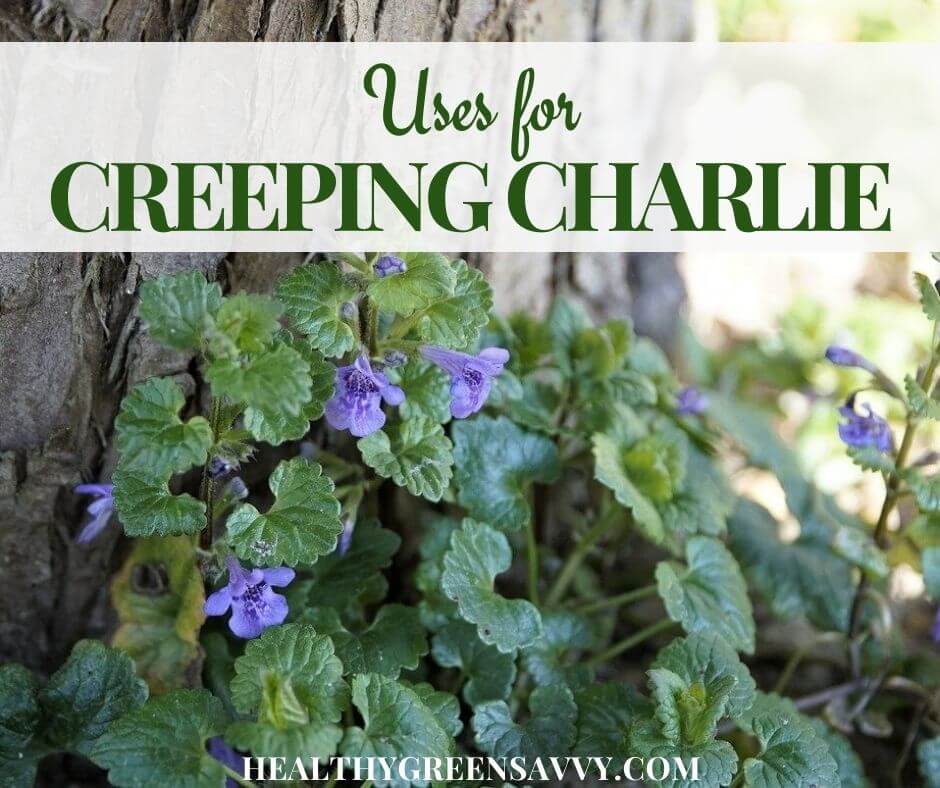
Ground ivy, also known as creeping charlie, is a perennial plant in the mint family. It is a low-growing, spreading plant with small, heart-shaped leaves and blue or purple flowers. Ground ivy is native to Europe and Asia, but it is now found in many parts of the world, including North America.
- What are the health benefits of ground ivy?
Ground ivy has been used for centuries as a medicinal herb. It contains a number of compounds that have been shown to have health benefits, including rosmarinic acid, caffeic acid, and quercetin. These compounds have antioxidant, anti-inflammatory, and antimicrobial properties. Ground ivy has been used to treat a variety of health conditions, including:
* Coughs and colds
* Asthma
* Allergies
* Urinary tract infections
* Wounds
* Indigestion
* Headaches
- How can I get rid of ground ivy?
Ground ivy can be a difficult plant to get rid of, as it spreads quickly and can re-grow from even the smallest piece of root. There are a number of ways to get rid of ground ivy, including:
* Pulling it up by hand
* Hoeing it out
* Applying a herbicide
* Covering the area with mulch
If you choose to use a herbicide, be sure to choose one that is labeled for use on ground ivy. Follow the directions on the label carefully.
- Is ground ivy poisonous?
Ground ivy is not poisonous to humans or animals. However, it can cause allergic reactions in some people. If you experience any allergic symptoms after coming into contact with ground ivy, such as a rash, hives, or difficulty breathing, seek medical attention immediately.
- What are some interesting facts about ground ivy?
- Ground ivy was used by the Saxons to clarify beer, before the introduction of hops.
- The leaves of ground ivy can be used to make a tea that has a calming effect.
- Ground ivy is a good source of vitamins A and C.
- Ground ivy is a relatively low-maintenance plant and can be grown in most gardens.
Image of ground ivy
5 different images of "ground ivy" from Pinterest.com:
- A patch of ground ivy growing in a shady spot under a tree. The leaves are a deep green color and have a heart-shaped outline.

- A close-up of a single ground ivy leaf. The leaf is covered in small hairs and has a serrated edge.

- A ground ivy plant climbing up a wall. The plant has dark green leaves and white flowers.
- A ground ivy plant cascading over the edge of a planter. The plant has lush green leaves and is covered in small white flowers.

- A ground ivy plant used as a ground cover in a garden. The plant has spread out to cover a large area of the ground.

Post a Comment for "Ground Ivy: The Versatile Ground Cover Plant"