Stunning Companion Plants For Henry's Garnet Sweetspire
Henry's Garnet Sweetspire is a beautiful deciduous shrub that is native to eastern North America. It is known for its showy, fragrant flowers that bloom in early summer, and its colorful fall foliage. Henry's Garnet Sweetspire is a versatile plant that can be used in a variety of settings, including borders, hedges, and woodland gardens.
One of the best ways to enhance the beauty of Henry's Garnet Sweetspire is to plant it with complementary companion plants. The right companion plants can help to extend the flowering season, add interest to the garden in the off-season, and attract pollinators.
Here are a few of the best companion plants for Henry's Garnet Sweetspire:
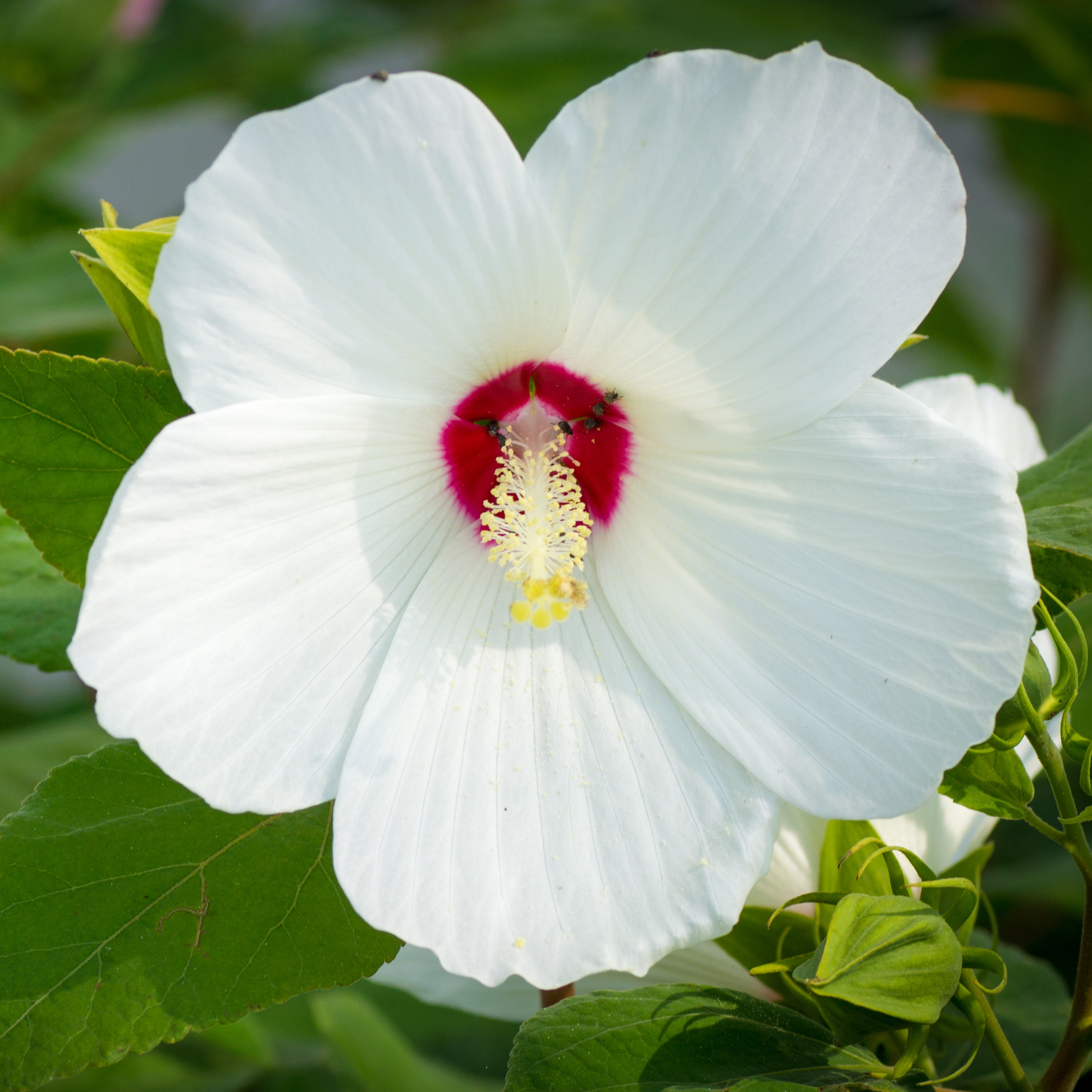
- Rose Mallow (Hibiscus moscheutos): Rose Mallow is a tall, herbaceous perennial that blooms in late summer and fall. Its large, showy flowers come in a variety of colors, including pink, red, and white. Rose Mallow is a good choice for companion planting with Henry's Garnet Sweetspire because it has similar moisture and soil requirements. It also blooms at the same time of year, so the two plants will complement each other nicely.
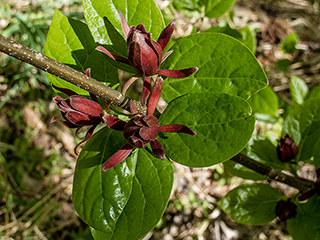
- Eastern Sweetshrub (Calycanthus floridus): Eastern Sweetshrub is another native shrub that is known for its fragrant flowers. Its blooms are a deep, spicy red, and they appear in early summer. Eastern Sweetshrub is a good choice for companion planting with Henry's Garnet Sweetspire because it has similar light and soil requirements. It also has a similar height, so the two plants will create a balanced and visually appealing grouping.
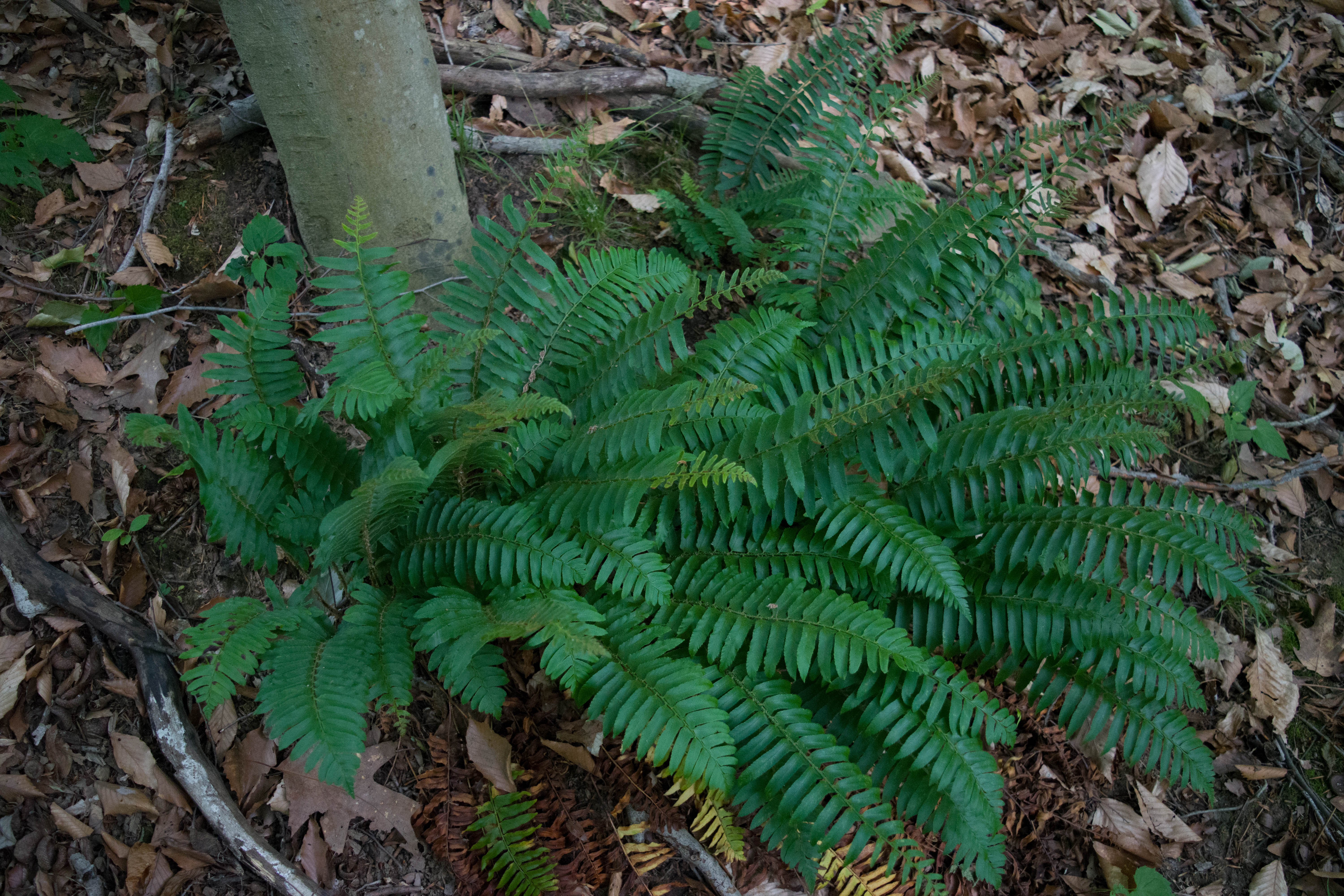
- Christmas Fern (Polystichum acrostichoides): Christmas Fern is a low-growing evergreen fern that is hardy in USDA zones 3-9. It has delicate, feathery fronds that turn a beautiful golden brown in the fall. Christmas Fern is a good choice for companion planting with Henry's Garnet Sweetspire because it will provide interest in the garden year-round. It also has similar moisture and soil requirements, so it is easy to care for.
- Inland Sea Oat (Chasmanthium latifolium): Inland Sea Oat is a tall, graceful grass that is native to North America. It has feathery, blue-green blades that turn a golden brown in the fall. Inland Sea Oat is a good choice for companion planting with Henry's Garnet Sweetspire because it has similar moisture and soil requirements. It also adds movement and texture to the garden, and it can help to screen out unsightly views.

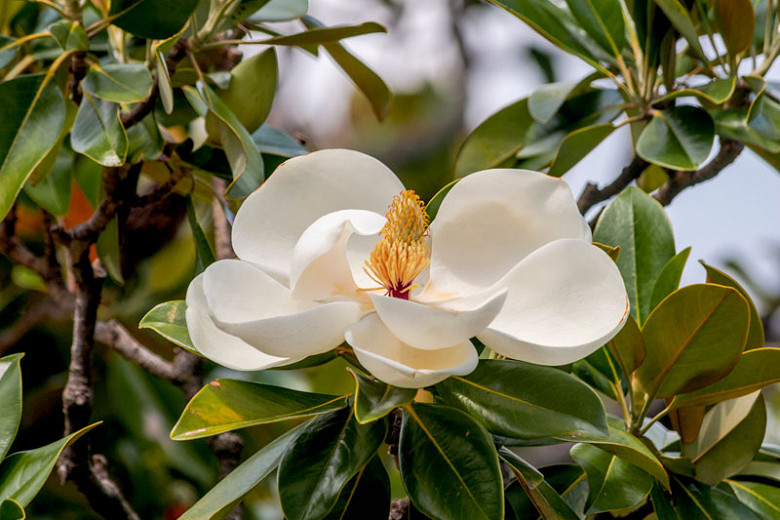
- Southern Magnolia (Magnolia grandiflora): Southern Magnolia is a large, evergreen tree that is native to the southeastern United States. It has glossy, dark green leaves and fragrant white flowers that bloom in late spring or early summer. Southern Magnolia is a good choice for companion planting with Henry's Garnet Sweetspire because it provides year-round interest and can help to create a focal point in the garden. It also has similar light and soil requirements, so it is easy to care for.
These are just a few of the many companion plants that can be used with Henry's Garnet Sweetspire. When choosing companion plants, it is important to consider the plant's size, light requirements, soil requirements, and blooming season. By choosing plants that have similar needs, you can help to ensure that they will thrive in your garden.
Henry's Garnet Sweetspire is a beautiful, deciduous shrub that blooms with clusters of fragrant, white flowers in late spring. It's a great addition to any garden, but it can be even more stunning when paired with the right companion plants.
Some of the best companion plants for Henry's Garnet Sweetspire include:
- Eastern Sweetshrub (Calycanthus floridus): This fragrant shrub blooms with clusters of pink or red flowers in early summer. It's a perfect complement to Henry's Garnet Sweetspire's white flowers.
- Rose Mallow (Hibiscus moscheutos): This tall, herbaceous perennial blooms with large, showy flowers in shades of pink, red, or white. It's a great way to add height and color to your garden.
- Inland Sea Oat (Chasmanthium latifolium): This grass-like plant blooms with feathery plumes of flowers in late summer. It's a great way to add texture and movement to your garden.
- Christmas Fern (Polystichum acrostichoides): This evergreen fern adds year-round interest to your garden. It's a great way to soften the edges of your garden bed or to add a touch of green to your shady spot.
- Fringetree (Chionanthus virginicus): This small, deciduous tree blooms with fragrant, white flowers in early spring. It's a beautiful addition to any garden, but it's especially stunning when planted near Henry's Garnet Sweetspire.
For more information about Henry's Garnet Sweetspire companion plants, please visit Gardenia Inspiration.
FAQ of henry's garnet sweetspire companion plants
- What are the best companion plants for Henry's Garnet sweetspire?
Henry's Garnet sweetspire is a deciduous shrub that blooms in late spring to early summer with clusters of dark red flowers. It prefers full sun and moist, well-drained soil. Some good companion plants for Henry's Garnet sweetspire include:
* Other shrubs that bloom at the same time, such as oakleaf hydrangea (Hydrangea quercifolia), summersweet (Clethra alnifolia), and ninebark (Physocarpus opulifolius).
* Perennials that provide late-season interest, such as sedum (Sedum spp.), ornamental grasses, and asters.
* Groundcovers that can help to suppress weeds and provide a continuous carpet of foliage, such as pachysandra (Pachysandra terminalis), liriope (Liriope muscari), and creeping phlox (Phlox subulata).
- How far apart should Henry's Garnet sweetspire plants be spaced?
Henry's Garnet sweetspire plants should be spaced 3-4 feet apart. This will allow them to grow and spread to their full size without crowding each other.
- What are some common pests and diseases that affect Henry's Garnet sweetspire?
The most common pests that affect Henry's Garnet sweetspire are aphids, scale insects, and spider mites. These pests can be controlled with insecticidal soap or neem oil. The most common diseases that affect Henry's Garnet sweetspire are powdery mildew and leaf spot. These diseases can be prevented by watering the plant at the base and avoiding overhead watering.
- How do I prune Henry's Garnet sweetspire?
Henry's Garnet sweetspire should be pruned in late winter or early spring. To prune, simply remove any dead, diseased, or damaged branches. You can also thin the plant by removing some of the older branches.
- How can I propagate Henry's Garnet sweetspire?
Henry's Garnet sweetspire can be propagated by rooting cuttings. To root cuttings, simply take 4-6 inch cuttings from the plant in early summer. Remove the lower leaves from the cuttings and plant them in a well-draining potting mix. Keep the potting mix moist and place the cuttings in a warm, shady location. The cuttings should root in 4-6 weeks.
Image of henry's garnet sweetspire companion plants
5 different images of "Henry's Garnet sweetspire companion plants" from Pinterest:
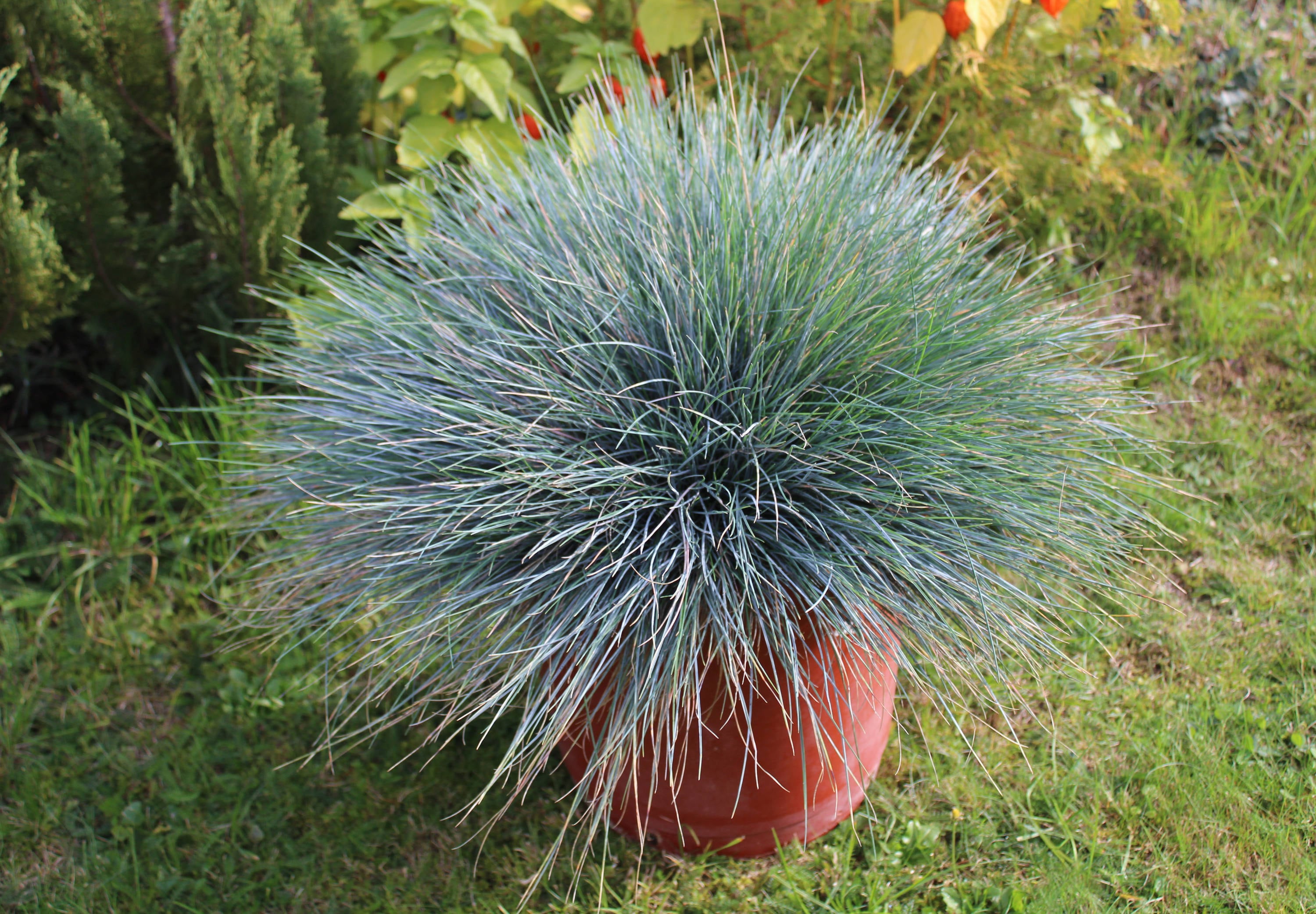
- Blue fescue: This low-growing grass adds a touch of blue to the garden and provides contrast to the bright red flowers of Henry's Garnet sweetspire.
- White yarrow: This daisy-like flower blooms in the same season as Henry's Garnet sweetspire and offers a similar color palette.

- Coralbells: This shade-loving perennial blooms in shades of pink, red, and orange, which can complement the red flowers of Henry's Garnet sweetspire.
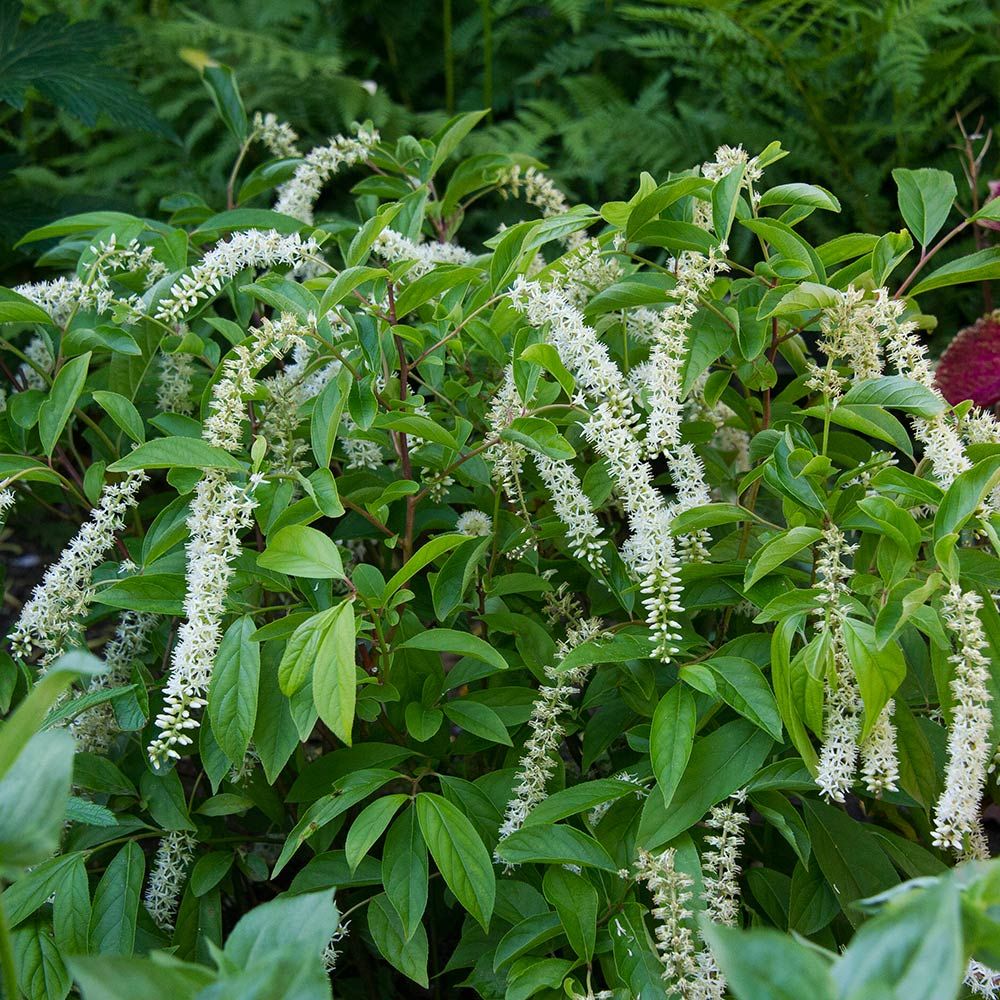
- Black-eyed Susan: This native wildflower blooms in late summer and fall, providing a long season of color in the garden.

- Virginia sweetspire: This cousin of Henry's Garnet sweetspire blooms in the same season and can be used to create a mass planting of red flowers.


Post a Comment for " Stunning Companion Plants For Henry's Garnet Sweetspire"